
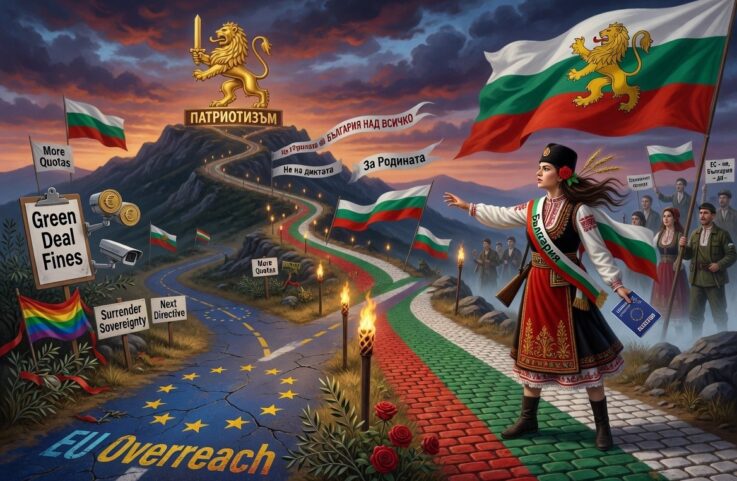
As the sun set over Sofia today, exit polls flashed across Bulgaria and the message was unmistakable: Rumen Radev’s “Progressive Bulgaria” coalition had surged to around 38% of the vote. In a country that’s held eight parliamentary elections in five years, this wasn’t just another snap vote, it was a quiet earthquake. The former air force general and two term president, who stepped down in January specifically to run in this election, is now poised to become prime minister. And while the international press scrambled to dust off the familiar “new Orban” and “pro-Russian” labels, most outsiders missed the deeper story. Radev didn’t storm onto the European stage. He flew under the radar, building a distinctly Bulgarian blend of centre-left economics and unapologetic national sovereignty.
Radev’s politics defy the ideological boxes Brussels likes to use. He comes from the social-democratic tradition, rooted in the Bulgarian Socialist Party that backed his presidential runs, but his record reads like a manifesto for putting Bulgaria first.
Take energy and Russia. For years he has fought to keep affordable Russian oil and gas flowing, warning that EU sanctions hurt ordinary Europeans far more than Moscow. He blocked attempts to meddle with the Burgas refinery run by Russia’s Lukoil and openly called for restoring cheaper supplies.
On the Ukraine war he has been blunt: lethal aid only prolongs the suffering, he argues, and Bulgaria should push for diplomacy and ceasefires instead of pouring weapons into a conflict on its doorstep. He skipped the 2024 NATO summit in Washington and vetoed (until parliament overrode him) bills sending heavy military support. Sanctions he says are ineffective and self-defeating, turning Europe into a “hostage” of endless escalation while China capitalizes.
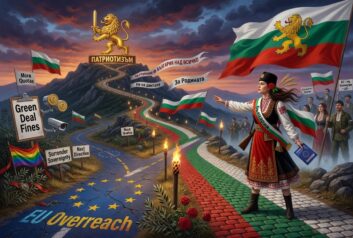
But Radev isn’t some fringe isolationist. He supports Bulgaria’s 2% NATO spending target and has backed purchases of F-16s because a strong national army matters more to him than outsourcing security. On the EU itself he’s no exit dreamer. Membership is “strategic,” he insists, but that doesn’t mean blind obedience. He has repeatedly slammed Brussels overreach on green energy, fighting rapid coal plant closures and trying to shield farmland from unchecked solar and wind development. Climate policy, in his view, must serve real people, not ideological timetables that flare up electricity bills for Bulgaria’s poorest households.
The same pragmatic conservatism shows up on social issues. When parliament passed a law banning “LGBT propaganda” in schools, Radev quietly let it stand.
When it comes to the topic of migration, he sees the exodus of young Bulgarians as the real demographic crisis and backs tough border measures, including the fence with Turkey. On the eurozone he was openly skeptical, demanding a referendum and warning against joining “at any cost” while inflation bit hard. (Bulgaria adopted the euro on January 1 anyway, because of the parliament majority, and prices have indeed climbed, feeding the very discontent that carried him to victory today).
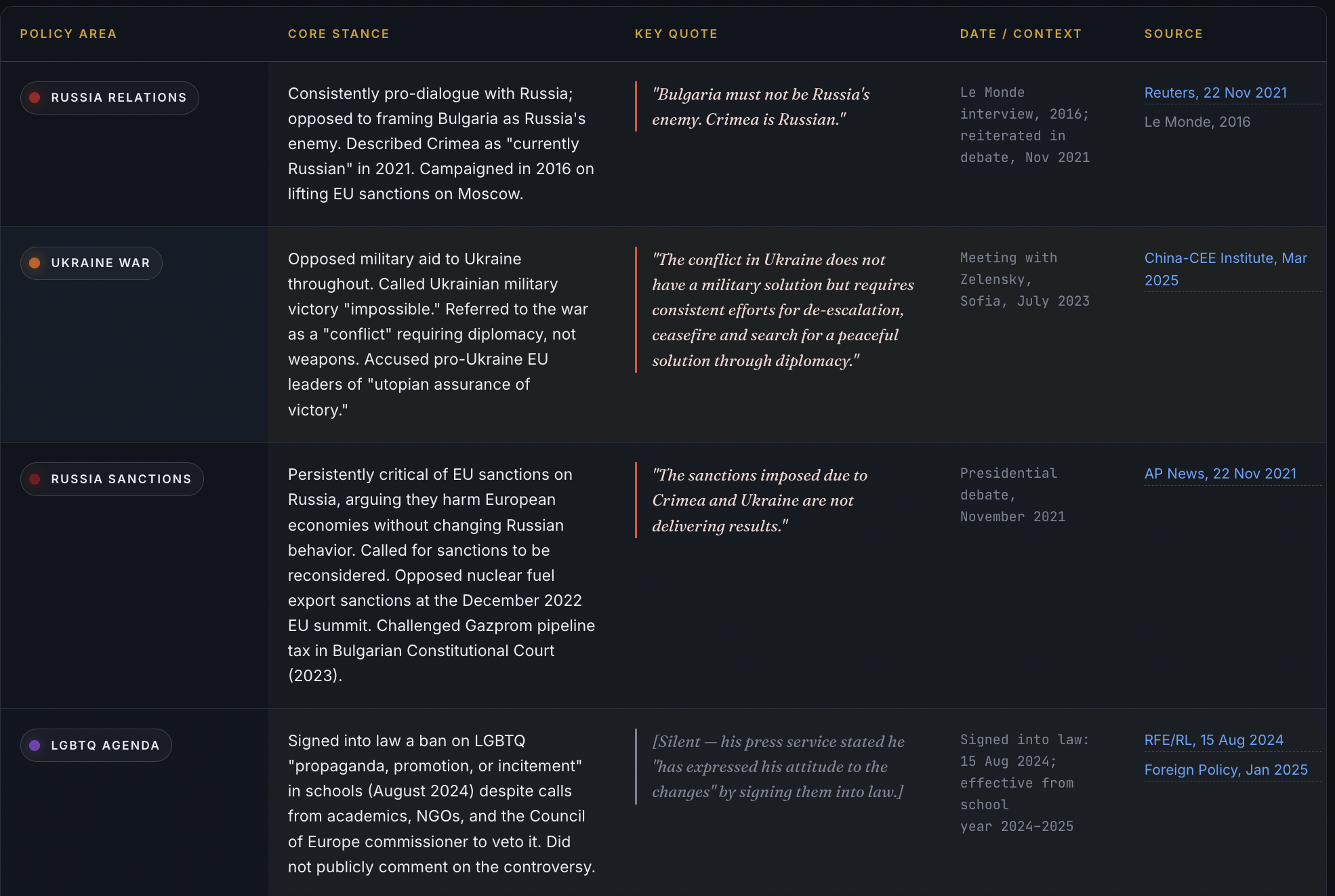
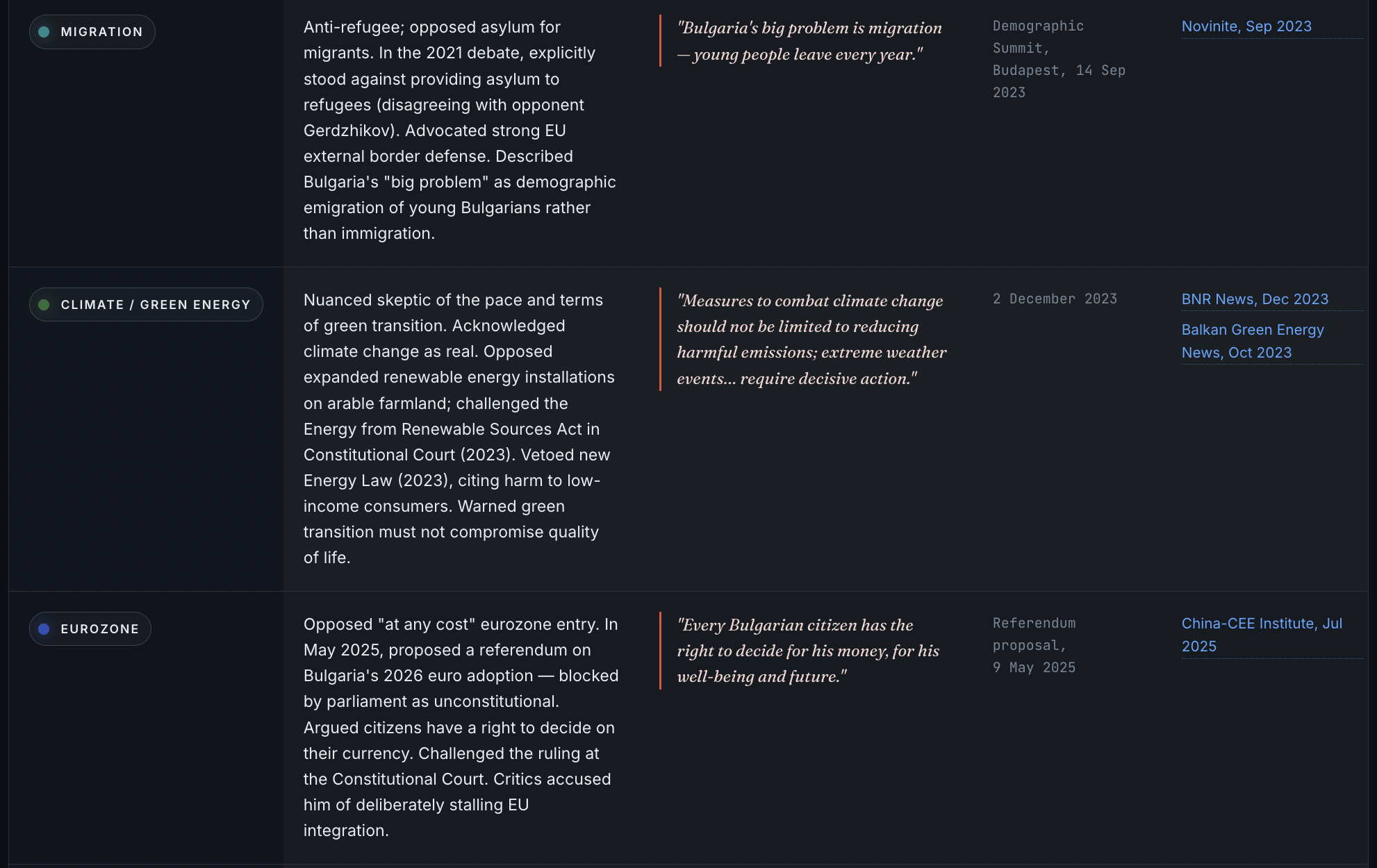
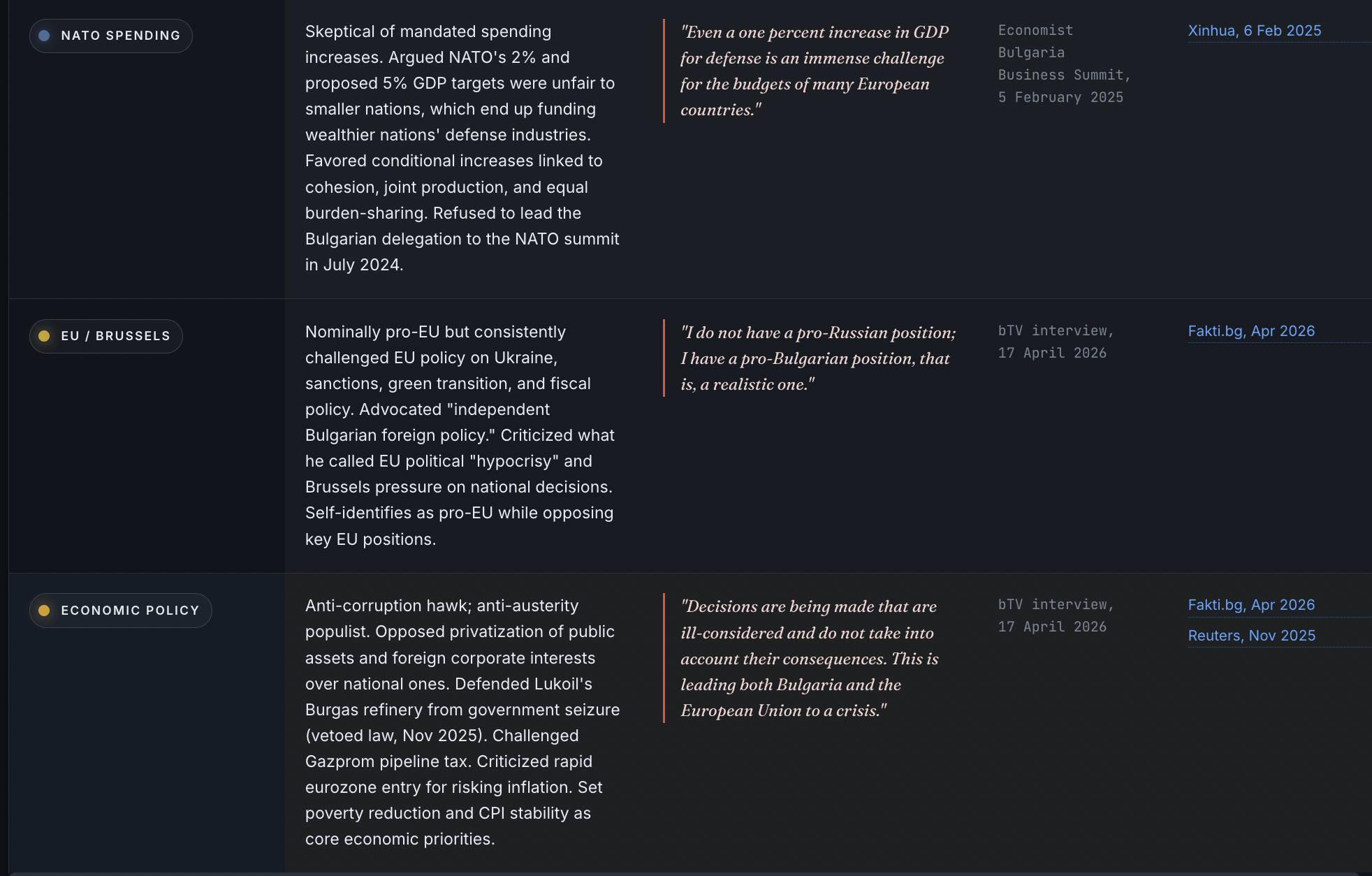
All of this comes wrapped in a fiercely anti-corruption, anti-oligarch message aimed straight at everyday Bulgarians tired of endless political chaos and stagnant living standards. Radev’s campaign hammered on protecting pensions, fighting mafia influence, and delivering cheaper energy. Classic left-wing territory, but delivered with an edge that feels almost old school patriotic.
Here’s where the comparison to Viktor Orbán becomes irresistible, yet incomplete. Radev has spoken warmly of the Hungarian leader, praising his “clear vision,” “courage,” and graceful concession after his own recent defeat. The two men coordinated on energy pragmatism, Ukraine diplomacy, and pushing back against Brussels’ overreach. Both want national governments to have breathing room inside the EU rather than becoming obedient satellites. But Radev operates from the left. His coalition, “Progressive Bulgaria”, is built on social democrats, military veterans, and independents who blend welfare state instincts with cultural realism. He’s no culture warrior firebrand like Orban, he’s a measured “Bulgaria First” guy who happens to reject turbo-progressive globalism. Critics in Sofia and Brussels call him a “moderate Orban,” and the label sticks because the policy overlaps are real. The difference is tone and temperament: Radev works in a fragmented system that demands coalitions, not Orban’s successful decade long right-wing dominance.
What makes Radev interesting is how he exposes the false choice so many European left parties have embraced. For too long, most of the left has equated patriotism with backwardness. Radev proved them otherwise. He shows that a social democrat can defend borders, question endless green mandates, prioritize cheap energy for workers, and still fight oligarchs and poverty. In doing so he reclaims the old left tradition of strong nation-states delivering for their own citizens rather than chasing abstract globalist ideals.
That message lands especially hard right now. Across the EU, left-wing governments that leaned hard into open migration, rapid cultural change, and supranational loyalty have watched working-class voters drift away. Bulgaria’s voters, exhausted by inflation, corruption, and foreign policy adventures that don’t fill their fridges, chose the guy who talks about prices before pronouns. Radev’s win isn’t a rejection of Europe, it’s a demand that Europe work for Bulgarians, not the other way around.
And that’s the bigger lesson for the continent, left or right. Patriotism isn’t a partisan luxury. It’s the essential ingredient for any recovery. When leaders put their own citizens’ living standards, cultural cohesion, and energy security first, they build the trust needed to make tough choices. Globalist one-worldism may sound noble in conference halls, but it leaves ordinary people feeling like afterthoughts in their own countries. Whether you come from the socialist tradition like Radev or the conservative one like Orban, the voters are sending the same signal: put your nation first, or someone else will.
And in a Europe hungry for leaders who feel the ground beneath their feet instead of floating in ideological clouds, this quiet Bulgarian lesson might just echo louder than anyone in Brussels expected.